
Let’s discuss WordPress hosting support and see how you can get help quickly.
So you’ve been using WordPress hosting for a while, and all of a sudden, somehow something goes wrong.
Your site starts to load slowly, or you find yourself staring at a scary error message.
Now, that’s where you turn to your WordPress hosting support.

And before we go far, what does that tell you? You need to get a WordPress hosting provider with reliable support, so take caution.
You know you have great support when it feels like you have a personal tech-savvy friend on speed dial who helps you to fix issues and keep your site on the go.
And, mind you, you always need it, no matter if you’re a newbie or a seasoned WordPress user.
When you master where and how to access reliable WordPress hosting support, it can save you time, stress, and maybe even your website.
So let’s talk about that in this guide and make sure everyone knows where and how to call for help when needed.
1. WordPress Hosting Support
1.1 What Is WordPress Hosting Support?
Imagine your WordPress website as a car.
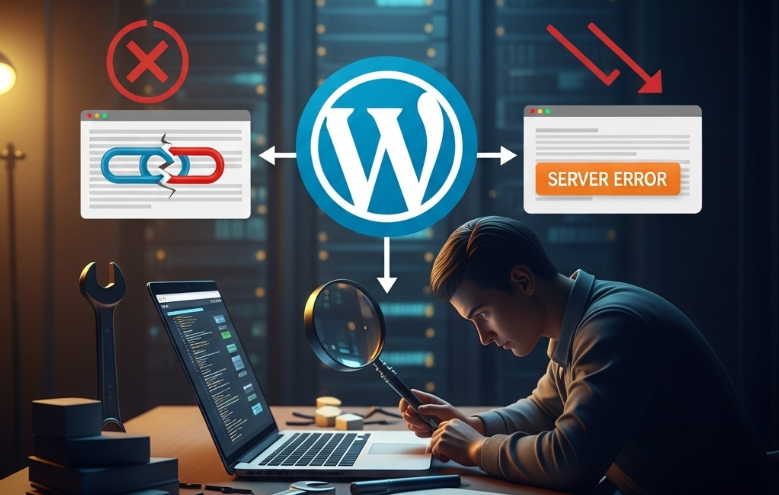
You’re driving along, but suddenly, something’s off—maybe the engine’s sputtering (your site’s slow) or a tire’s flat (your site’s down).
WordPress hosting support is like your mechanic, there to diagnose and fix problems related to your website’s hosting environment.
This includes things like server issues, security problems, backups, and even WordPress-specific quirks like plugin conflicts.
Unlike general customer service, WordPress hosting support is made uniquely for the unique needs of WordPress sites.
For example, providers like Olitt offer support teams who know WordPress inside and out, helping with everything from site migrations to performance tweaks.
Whether you’re on a shared, VPS, or managed WordPress hosting plan, good support ensures your site stays up and running.
1.2 Types of WordPress Hosting Support Available
Most hosting providers offer a few channels to get help:
Live Chat: Perfect for quick questions, like “Why is my site down?” Olitt, for instance, offers 24/7 live chat to resolve issues on the spot.

Email/Ticket Systems: Great for detailed issues that need investigation, like restoring a backup.
Phone Support: Ideal for urgent problems, though not all providers offer this.
Knowledge Bases: Self-help articles and tutorials, often found on the provider’s website.
Community Forums: Places like WordPress.org or provider-specific forums where users share tips.
There’s also a difference between managed and unmanaged hosting support.
Managed WordPress hosting, like what Olitt provides, includes extras like automatic updates and WordPress-optimized servers, with support teams ready to tackle complex issues.
Unmanaged hosting might leave more troubleshooting to you.
Knowing your options helps you navigate WordPress hosting support like a pro.
2. Identifying When You Need WordPress Hosting Support
2.1 Common WordPress Hosting Issues
Websites aren’t perfect, and WordPress sites are no exception.
Here are some common issues that might have you reaching for WordPress hosting support:
Slow Loading Times: Your site takes forever to load, frustrating visitors.
Database Errors: Messages like “Error establishing a database connection” pop up.
White Screen of Death: Your site’s just a blank page—yikes!
Security Breaches: Hacked sites or malware infections need urgent attention.
Plugin Conflicts: A new plugin breaks your site or causes errors.
These problems often stem from hosting-related issues, like server overload or misconfigured settings, which is why WordPress hosting support is your go-to solution.
2.2 Signs It’s Time to Contact Support
Not every hiccup requires a call to support. Sometimes, clearing your cache or deactivating a plugin does the trick.
But here are signs you need WordPress hosting support:
1. Your site’s down for more than a few minutes.
2. You see errors like “500 Internal Server Error” or “403 Forbidden.”
3. Your SSL certificate isn’t working, making your site “not secure.”
4. Backups fail, or you can’t restore your site.
5. You suspect a security issue, like unauthorized logins.
Recognizing these red flags early can save you headaches.
For instance, some of the providers’ WordPress hosting support teams can quickly diagnose server-side issues, getting your site back online faster than you can say “WordPress.”
3. How to Access WordPress Hosting Support
3.1 Finding Your Provider’s Support Channels
Getting help starts with knowing where to look.
Most hosting providers make their WordPress hosting support options easy to find.

Here’s how to locate them:
1. Check Your Hosting Dashboard: Log in to your provider’s account portal (e.g., Olitt’s user-friendly dashboard) and look for a “Support” or “Help” section.
2. Visit the provider’s website: Scroll to the footer or check the menu for a “Support” link.
3. Look in Your Welcome Email: New users often get an email with support contact details.
3.2 Choosing the Right Support Channel
Not sure whether to use live chat or submit a ticket? Here’s a quick guide:
Live Chat: Best for quick fixes, like resolving a login issue. Olitt’s 24/7 chat is great for real-time help.
Email/Ticket: Use for complex issues, like investigating a recurring error. Include as much detail as possible.
Phone Support: Perfect for emergencies, though not all providers (including Olitt) offer this.
Knowledge Base: Ideal for DIY solutions, like learning how to optimize your site’s speed.
Before reaching out, gather details like error messages, screenshots, or your site’s URL.
This helps the team resolve your issue faster.
3.3 Navigating Managed WordPress Hosting Support
Managed WordPress hosting takes support to the next level.
Most providers handle tasks like automatic WordPress updates, daily backups, and security scans, so you can focus on creating content.
Their support teams are trained to fix WordPress-specific issues, like optimizing your database or troubleshooting theme conflicts.
To access managed support, log in to your hosting account and look for a “WordPress Support” or “Managed Services” section.
Some providers, like SiteGround or WP Engine, also offer premium support with dedicated WordPress experts.

If you’re on a managed plan, don’t hesitate to lean on their expertise—it’s what you’re paying for!
4. Maximizing the Effectiveness of WordPress Hosting Support
4.1 Best Practices for Communicating with Support
Getting help is one thing; getting it quickly and effectively is another.
Here’s how to make the most of WordPress hosting support:
Be Clear and Specific: Instead of saying “My site’s broken,” describe the issue: “I see a 404 error when I try to access my blog page.”
Provide Details: Share your site’s URL, error messages, and what you were doing when the problem started.
Be Patient: Support teams work hard to resolve issues, but complex problems may take time.
Ask Questions: Don’t be shy—ask things like, “Can your support team help with a staging site setup?”
A little prep goes a long way in getting your issue resolved fast.
4.2 Using Knowledge Bases and Community Forums
Sometimes, you can solve problems yourself with the right resources.
Most providers offer knowledge bases packed with tutorials on topics like installing WordPress, setting up emails, or fixing common errors.
These are goldmines for quick fixes.
You can also check out community forums like WordPress.org or Stack Overflow.
While these aren’t direct support, they’re great for getting advice from other users.
For example, if you’re struggling with a plugin, someone in the community might have a workaround that complements your provider’s support.
5. Troubleshooting Common Issues with WordPress Hosting Support
5.1 Step-by-Step Troubleshooting Guide
Before contacting support, try these steps to narrow down the issue:
1. Clear Your Cache: Use a plugin like WP Super Cache to clear your site’s cache.
2. Deactivate Plugins: Turn off plugins one by one to check for conflicts.
3. Switch to a Default Theme: Temporarily use a theme like Twenty Twenty-Five to rule out theme issues.
4. Check Your Error Logs: Many providers, like Olitt, let you access error logs in your hosting dashboard.
5. Update Everything: Ensure WordPress, themes, and plugins are up to date.
If these don’t work, reach out to WordPress hosting support with your findings.
5.2 When to Escalate Issues
Sometimes, basic support isn’t enough.
If your issue persists after initial contact, don’t hesitate to escalate.
Ask for a supervisor or a higher-tier support team; only remember to stay polite.
This is especially helpful for complex problems, like restoring a hacked site or fixing a corrupted database.
Providers like Olitt often have specialized teams for advanced issues, ensuring you get the expertise you need.
6. Choosing a Hosting Provider with Excellent Support
6.1 Key Features to Look For
Hosting providers perform differently when it comes to WordPress hosting support. Here’s what to prioritize:
Hosting providers perform differently when it comes to support. Here’s what to prioritize:
24/7 Availability: Issues don’t follow a 9-to-5 schedule, so your support shouldn’t either.
WordPress Expertise: Look for providers like Olitt, SiteGround, or Bluehost with teams trained in WordPress.

Fast Response Times: Check reviews to see how quickly support responds.
Comprehensive Resources: A robust knowledge base or community forum is a bonus.
Olitt, for example, stands out with its user-friendly support portal and WordPress-optimized hosting plans, making it a great choice for reliable WordPress hosting support.
6.2 Evaluating Support Before Signing Up
Before committing to a provider, test their support:
Try Pre-Sales Support: Use live chat to ask questions like, “How does your provider handle site migrations?”
Read Reviews: Check sites like Trustpilot for user feedback on support quality.
Explore Free Trials: Some providers offer trials to test their support firsthand.
Choosing a provider with stellar support sets you up for long-term success.
Conclusion
Navigating WordPress hosting is pretty much easy peasy when you know where to look.
Whatever problem you’re dealing with—a slow site, a scary error, or just needing help setting up a new feature—your hosting provider’s support team is there to help.
When you understand your support options, know when to reach out, and choose a great provider with excellent WordPress hosting support, then nothing can stop you.
You can keep your site running smoothly and focus on what you love—building your online presence.
Ready to get started? Log in to your hosting provider’s dashboard, explore their support options, and don’t hesitate to reach out for help.
With the right support, no issue is too big to handle!