
Whenever my friends and I are planning to go out, especially in a new city, we usually check online for a bar website before we visit in person.
I bet you do too.
I mean, that is the current trend and more so, convenience, where you can vet places, restaurants and bars online, before even going there.
It reduces the hunting time, and people can just settle for a place and go there straight away, instead of scavaging physically.
So what does that tell you if you own a bar? You need a bar website to boost your traffic.
That way, as you pour your heart into slinging drinks, your online presence matches up that energy.
Again, you might think of all the tech that might be involved in getting a website, or cash invested, but the truth is that is not a worry anymore.
The world has evolved with a current era of the AI, making every technical tasks a click away.
In this guide, we’re walking you through how to build a bar website that works, pulling in locals, tourists, and that viral crowd from TikTok.
We’ll cover everything from:
- Defining your goals and crowd to make your bar website feel personal.
- Picking a platform that won’t eat your weekends (hello, AI builders).
- Design tips that scream “come hang” without the designer fees.
- Content that converts scrolls to seats.
- SEO and mobile magic to get found and booked.
- Integrations, security, and launch-day wins.
Let’s pour one out for bad websites and build something epic.
Why Your Bar Website Needs Clear Goals First
Before you touch a template, pause.
Building a bar website without goals is like mixing a Manhattan blindfolded, you might get lucky, but probably not.
Ask yourself: What do you actually want visitors to do in your site? Book a table? Join your trivia night list? Buy a cocktail kit?
Check out other bar websites to borrow design and features ideas from and jot down what you want to apply to yours.

For most bars, it’s reservations—and with nearly 60% of diners booking online, that “Reserve Now” button can be your best bartender.
Pick two or three goals you can measure, like more event traffic, a bigger email list, or a few merch sales a week.
Then think about who you’re targeting: the after-work crowd, weekend music hunters, or date-night duos.
Once you set your goals first, everything else gets easier.
Choose the Right Platform for Your Bar Website
Goals set? Perfect. Now—where do you actually build this thing?
Your platform’s like your bar’s signature spirit: it defines the flavor of everything that follows.
Old-school options like WordPress give you full control but eat up your weekends.
Wix and Squarespace are drag-and-drop easy, though they can feel a little “same-same” for a place with real character.
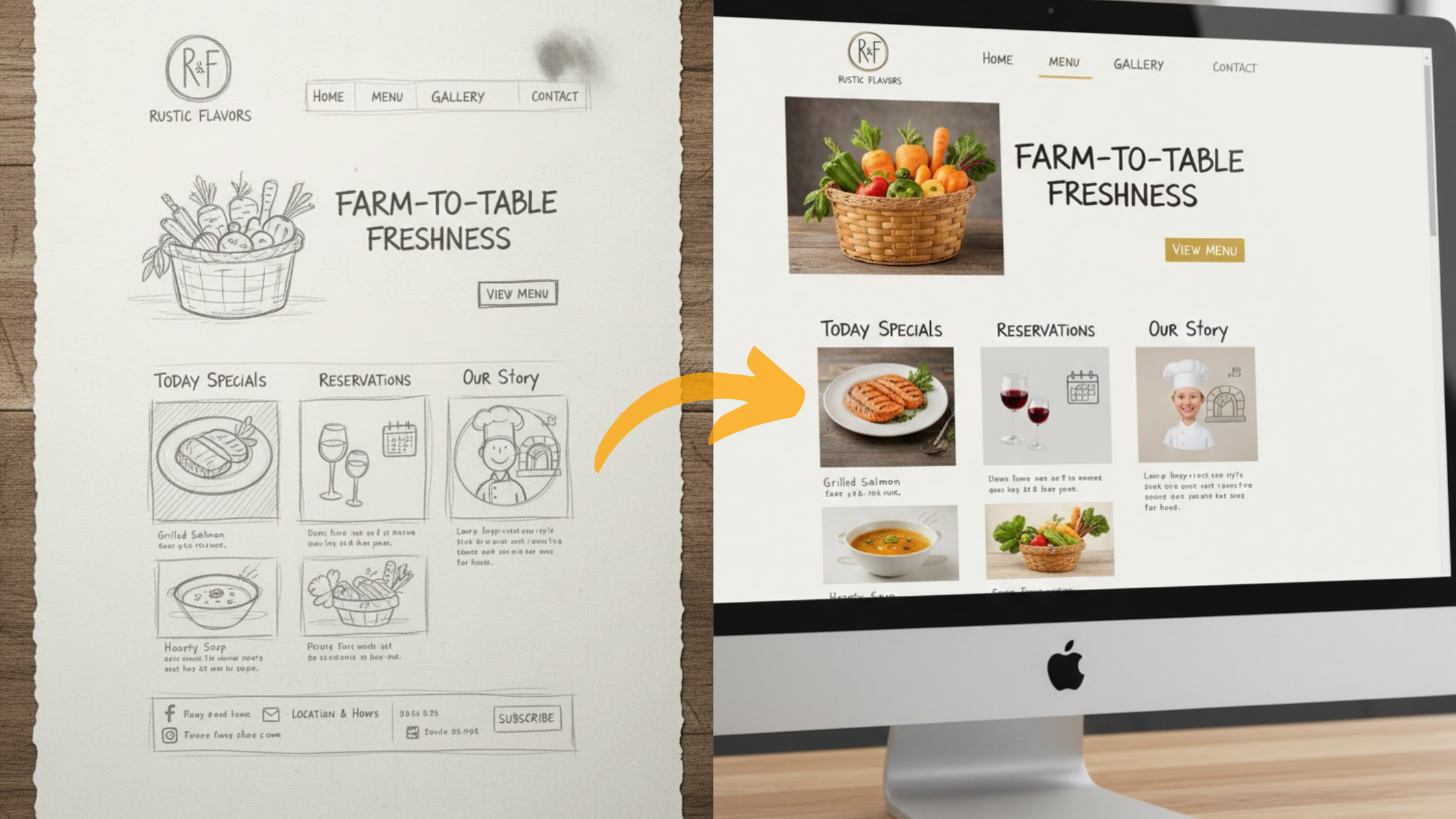
But, 2025 gave us AI website builders.
They take your details and spin up a custom site faster than you can shake a martini. No coding, just a chat with AI.
One great example is our Olitt AI, built for restaurants and bars.
You can build a stunning, functional bar website in minutes.
And, you can start free, then upgrade when you’re ready.

Here’s how to do it step by step.:
1. Plan It Out
- Check out other bar websites for ideas.
- Jot down what you like—layout, colors, pages, or features.
- Note your vibe (cozy lounge, rooftop party, whiskey den).
2. Set Up Your Account
- Go to olitt.com and create a free account.
- Head to olitt.com.
- Hover over “AI Websites” → “Restaurant AI Website,” then click “Build with AI.”
- Or just hit “Create with AI” on your dashboard.
3. Build with AI
- Enter your bar’s name, location, and style.
- Review the summary, then click “Create My Website.”
- Choose your plan (Free, Starter, Pro, or Business) and confirm.
4. Customize & Manage
- Your site will be ready in minutes, complete with pages and images.
- Open it, check the vibe, and tweak anything you want in the dashboard.
- Chat with the AI to change text, photos, or add pages.
And that’s it—you’ve got a sleek, custom bar website before your ice melts.
Sure, other platforms exist, but Olitt’s AI gets you 80% done on autopilot, so you can focus on what really matters: serving drinks, not debugging code.
Crafting a Visually Irresistible Bar Website
Design is about creating a vibe that feels like an open invite to your bar.
Get it wrong, and visitors bounce faster than a bad pickup line.
Get it right, and they’ll linger, drool over your Negroni shots, and click Book Now without hesitation.
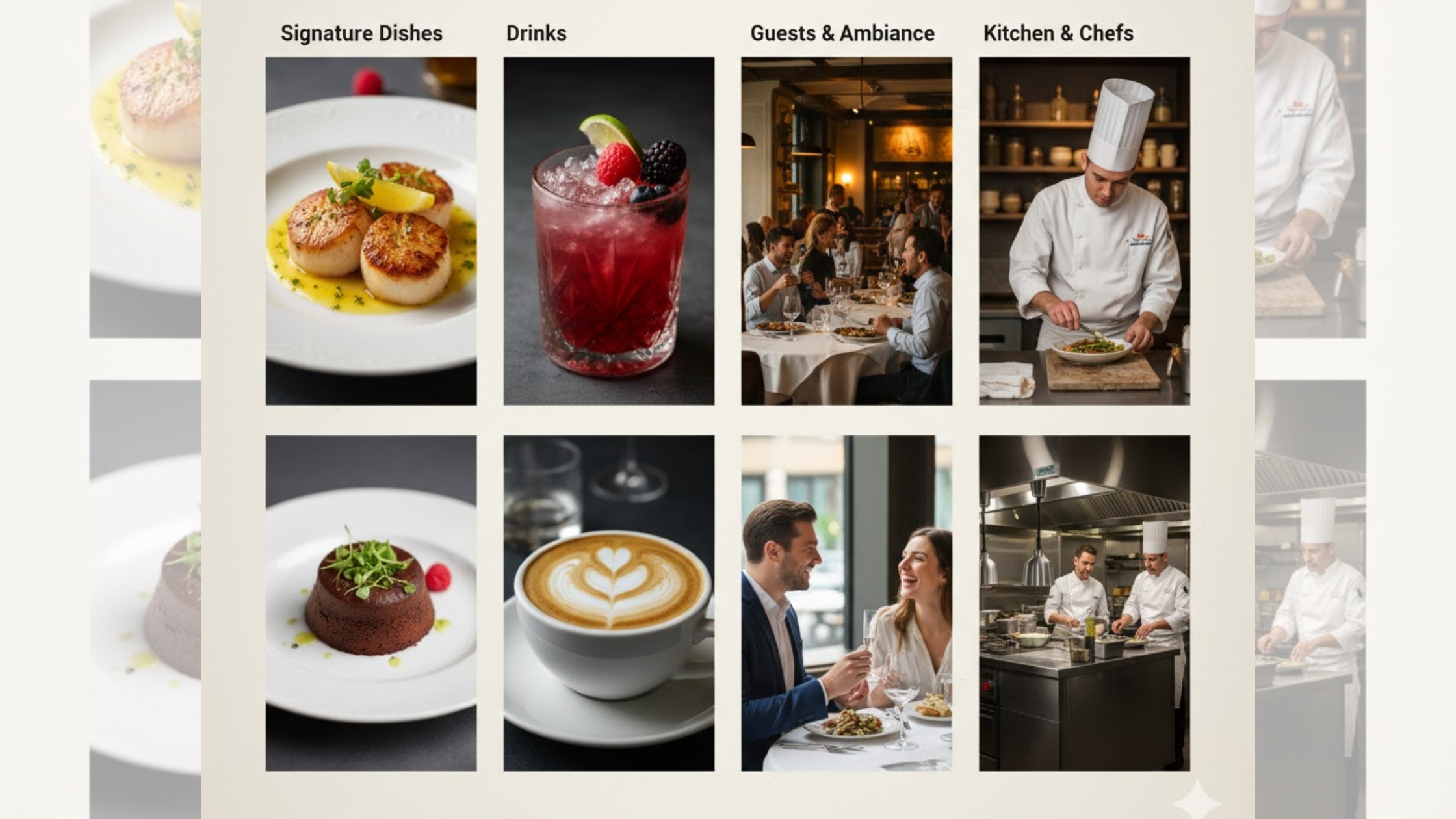
a. Lead with Real, Mouthwatering Visuals
Start with photos that transport people straight to your bar.
Think warm amber lighting over the counter, fizzing cocktails mid-pour, and that cozy booth where stories start.
Skip the stock photos, they scream “generic.”
Instead, invest in a quick local photoshoot or use Olitt AI to generate visuals that match your vibe automatically.
b. Match Your Colors and Fonts to Your Vibe
Your palette should feel like your bar:
- Speakeasy? Go for warm ambers and deep navy blues.
- Sports bar? Think bold reds and bright accents.
- Tropical lounge? Soft teals and golden highlights.
For fonts, mix a playful script for headlines (“Sláinte!”) with a clean sans-serif for menus and pricing.
Keep it easy to read, especially on mobile, and don’t be afraid of white space.
c. Keep Navigation Simple and Smooth
Your site’s menu should work like your best bartender, easy, intuitive, and always there when needed.
Stick to 5–7 links: Home, Menu, Events, Gallery, Book, About, Contact. Add a sticky header so it follows users as they scroll.
And don’t forget mobile!
Around 60% of searches happen on phones, so test everything on your screen, big buttons, legible text, and smooth thumb-scrolling.
d. Take Notes from the Pros
Look at Sonnyboy in NYC, a 2025 Bon Appétit favorite.

Before redesigning, their site was quiet.
After adding moody photos and an interactive gallery? Bookings jumped 35%, thanks to a simple “Virtual Tour” button.
Or check out Las Lap, Michael B. Jordan’s rum bar in the Lower East Side.
Its tropical color palette and easy navigation pull visitors in just like their cocktails do.
e. Quick Design Do’s and Don’ts
Do:
- Use high-res, original images (authentic beats perfect).
- Keep load times under 3 seconds (compress those pics!).
Don’t:
- Overcrowd your pages—white space = breathing room.
- Skip accessibility—add alt text and make sure text has contrast.
With Olitt’s chat-based editor, you can tweak visuals, swap colors, or adjust layouts in minutes.
The result? A bar website that’s share-worthy.
Writing Words That Woo Customers to Your Bar Website
Your words are the stories and sips that turn your bar’s website from “just another page” into “I need to go there tonight.”
Forget stiff, robotic copy. Write like you’re chatting with someone across the bar: warm, witty, and a little bold.
i. Start with the Core Pages
Menu: Make it mouthwatering. Instead of “Whiskey $12,” try something that paints a picture:
“Our Smoked Old Fashioned: Bourbon kissed by oak, finished with a cherry wink.”
Keep it easy to scan, use dropdowns or accordions for categories like Classics, Crafts, and Non-Alcoholic.
Events: Tease the fun ahead.
“Karaoke Night: Channel your inner Adele. Prizes for the fearless.”
About Us: Tell your story like you’d tell a regular at last call.
“Started in my garage with three bottles and a dream—now we’re your neighborhood nightcap.”
Add a few personal touches too, maybe a customer shoutout or memorable moment. It builds connection fast.
ii. Sprinkle in Smart Calls to Action
Every page should gently invite people to do something:
- “Thirsty? Reserve Your Spot.”
- “Join the Pour Club for 10% off Tuesdays.”
Keep them short, friendly, and right where people feel the urge to act.
iii. Find a Voice That Fits Your Bar
Decide what vibe you’re going for:
- Fun and cheeky?
- Sophisticated and moody?
- Down-to-earth neighborhood spot?
Once you know your tone, keep it consistent everywhere—from your homepage to your drink descriptions.
iv. Learn from the Best
Look at Paradiso in Barcelona, ranked one of the world’s top bars in 2025.
Their website reads like poetry: mysterious tales, hidden doors, and rare rums that make people book months ahead.

Or take Post Malone’s Nashville bar, raw, rockstar storytelling that boosted site traffic 50% after launch.
Good writing both describes and sells the vibe.
v. Quick Tips for Killer Copy
- Brainstorm your voice (ask your staff for ideas—they know the crowd).
- Keep it short: aim for 300 words max per page.
- Read it aloud—if it doesn’t flow like a good pour, rewrite.
- Test it with your regulars. Their feedback is gold.
If you’re using Olitt AI, it can draft your content from a few prompts, then you can tweak it via chat to sound more like you.
Optimize Your Bar Website for Search Engines
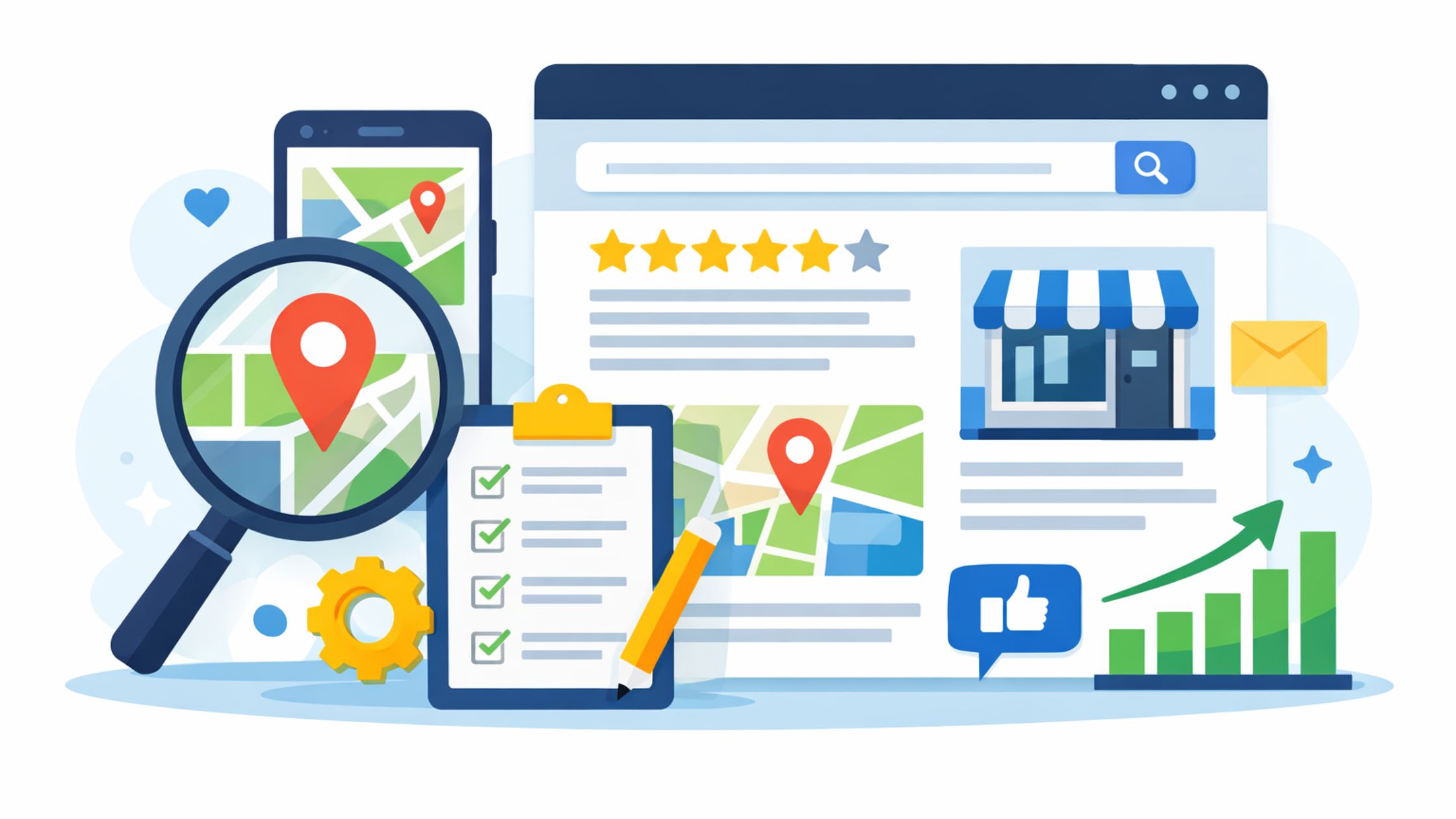
SEO sounds techy, but really, it’s just making sure people find you when they Google “best cocktails near me.”
With bar-related searches climbing every year, skipping this step is like keeping your bar sign turned off.
Start with the basics:
- Use free tools like Google Keyword Planner to find what locals are searching for.
- Add those phrases naturally into your page titles, headers, and meta descriptions.
- For example:
- Title: [Your Bar Name] | Craft Cocktails & Live Music in Austin
- Meta Description: Sip, chill, and vibe. Reserve your spot at Austin’s favorite cocktail bar.
Local SEO:
Claim and fill out your Google Business Profile, add photos, menus, and updated hours.

Then, build local backlinks by guest posting on city blogs or partnering with nearby restaurants.
Take Atlas Bar in NYC, they optimized for “luxury whiskey bar” and hit page one on Google.
If you’re using Olitt, it’s got SEO tools baked in: automatic tags, sitemaps, and mobile-friendly templates.
Quick check: run your site through Google’s Mobile-Friendly Test to see how it stacks up.
Why Mobile Optimization Is Non-Negotiable
Picture this: it’s Friday night, someone searches “bars open now,” and your site takes forever to load.
They’re gone before your logo even fades in.
Mobile-first design is a must.
Here’s how to nail it:
- Use responsive layouts that adapt to any screen.
- Keep buttons big and menus short.
- Compress images so your site loads fast.
Look at Aldo Sohm Wine Bar their mobile site is smooth, swipeable, and drives 60% of their traffic.
With Olitt’s mobile-first templates, you can pull off the same magic fast.
Add Smart Integrations
Your bar website should work smart.
- Reservations: Plug in OpenTable, Resy, or Tock.
- Payments: Use Stripe or PayPal for merch or pre-paid events.
- Social: Embed your Instagram feed for real-time vibes.
Sites like The Bandit use this combo to turn scrolls into seats—live feeds, bookings, and email signups all in one flow.
Keep It Fast and Secure
A slow site kills conversions.
Aim for a load time under 3 seconds. Use caching, compress images, and let Olitt handle the techy bits.
Security matters too.
SSL encryption, privacy-safe forms, and clear “Secure Site” badges build trust instantly.
Launch with Buzz
Before you go live, test everything:
- A/B test your call-to-action buttons.
- Track user behavior with Hotjar.
- Set up Google Analytics to monitor bounce rates (under 50% is a win).
Soft-launch to your regulars first, then promote it across socials.
Wrapping It Up
You’ve now got the full playbook, goals that guide, design that draws, words that wow, and SEO that sells.
Together, they turn your bar website into a 24/7 marketing machine.
And remember, you don’t have to do it alone.
Olitt AI builds, optimizes, and even updates your bar website in minutes—free to start, with plans from $9.99/month.
Claim your free trial, and launch today.
Your next full house might just start with a click.