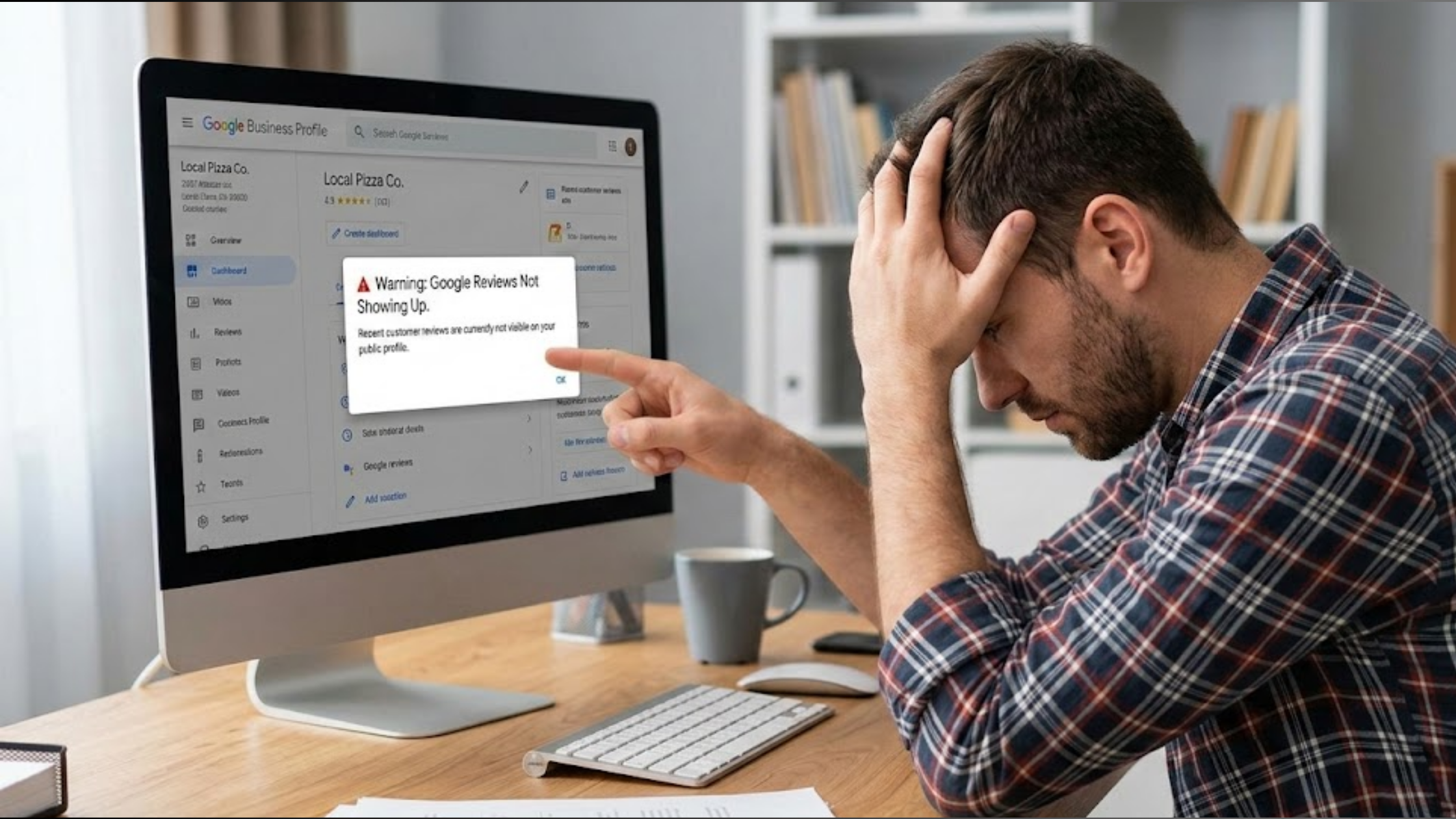

If you run a local business, you already know that word-of-mouth is everything. These days, word-of-mouth happens online. It manifests as reviews.
But here’s the thing most business owners miss: getting a good review is only half the battle.
What you do after you get it matters just as much. Do you reply? Do you just read it and move on? Do you use it to bring in more customers?
That’s where having a solid set of review management best practices comes into play. It’s the difference between hoping people find you and making sure they do.
In this article, I’ll give you details on what review management means, why it is crucial for your business, and the seven best practices that will help you turn those star ratings into real, paying customers.
What Does Review Management Entail?

So, what do we mean by review management? It’s really just a fancy way of describing the conversation you have with your customers online.
It is tending to your business’s online reputation. It’s the process of actively keeping an eye on what people are saying about you across the web, responding to that feedback, and using it to your advantage.
Review management is not only about putting out fires when someone leaves a one-star comment, but also about building a positive presence that earns people’s trust before they even walk through your door.
Basically, review management involves three main things:
- Monitoring: Keeping track of where people leave feedback (Google, Yelp, Facebook, etc.) so you can see it.
- Responding: Taking the time to reply to both the happy customers and the not-so-happy ones.
- Acting: Using what your customers tell you to make your business better.
When you get these three things right, you stop being a bystander in your own reputation and start taking control.
Why is Review Management Important?
Reviews are the new word-of-mouth. Before someone hires you or buys from you, they are going to check what other people thought. It’s just how we shop now.
A steady stream of positive reviews tells potential customers your business is worth giving a try.
But it goes deeper than that. For local businesses, your reviews help you get found. Search engines pay attention to them.
When you have recent, positive reviews, it tells Google that you are a relevant, active business. That means you’re more likely to pop up when someone searches for “best coffee shop in town.”
So… good reviews help you show up; responding to them helps you stand out.
7 Review Management Best Practices That Yield Results

These are the seven things you should focus on to turn your reviews into a real asset for your business. Let’s go through each one step by step.
1) Make It Easy (and Timely) for Customers to Leave a Review
Most satisfied customers are happy to leave you a review. The problem is that they forget or don’t know where to go.
Your job is to remove every single obstacle in their way.
You need to strike while the iron is hot. If you run a service business, ask for the review right after you finish the job, when the customer is smiling and happy with the result.
If you have a shop, a follow-up email a few hours later works wonders.
But here’s the secret sauce: don’t simply ask them to leave a review. Give them a direct link. A link that takes them straight to your Google review page.
Not your website, not your Facebook page, the exact spot where they type the words. If they have to search for you, you’ve already lost them.
At Localforce, we help you automate this exact process. You can set up automated requests via text or email that go out to your customers at the perfect moment, with a direct link included.
It takes the remembering part off your plate and makes it seamless within your operations.
2) Always Respond; Yes, to Every Single One
I know what you might be thinking: “I have a hundred five-star reviews, do I really need to thank every single person?”
The answer is yes. Responding to reviews is not just nice for the person who wrote them; it’s also critical for the dozens of other potential customers who read them later.
When a potential customer scrolls through your reviews, they are watching how you treat people.
If they see you took the time to thank someone for a positive review, it shows you’re appreciative and care about your customers. It humanizes your brand.
When they see you respond to a negative review politely and professionally, offering to make things right, it shows you have integrity. A business that never responds makes it look like they don’t care. A business that responds makes it look like they’re listening.
3) Have a Game Plan for Negative Feedback
Negative reviews happen to every business, and honestly, a mix of reviews looks more authentic than a perfect score.
When you get a negative review, your goal isn’t to win an argument with the customer; you won’t. Yours is to show everyone else reading it that you are reasonable and professional.
Here’s a simple plan:
- Respond quickly, but not emotionally. Give yourself a few minutes to cool off if you need to.
- Apologize for their experience. You don’t have to admit fault, but you can say, “We’re sorry to hear your experience wasn’t up to par.” This shows empathy.
- Take it offline. Provide a name and an email address or phone number where they can contact you directly to resolve the issue. “Please reach out to us at [email] so we can make this right.”
- Be helpful. If there’s a clear mistake, acknowledge it and explain how you’re fixing it.

If you handle it well, you can actually turn a negative review into a positive advertisement for your customer service.
Localforce can help lighten this load. If you’re short on time or unsure what to say, our AI can suggest replies based on the review’s sentiment.
You can use them as a starting point, tweak them to sound like you, and hit send. ensuring you never leave a review hanging again.
4) Don’t Just Collect The Reviews; Use Them
Your reviews are a goldmine of marketing copy. Seriously.
If a customer leaves a review like, “Best pizza in Abuja; the crust was perfect,” that’s a quote you can put on your website. It’s a social media post. It’s the exact language you should use in your Google Business Profile description.
People trust other customers way more than they trust your About Us page. So, take those glowing phrases and repurpose them.
Put them on a wall of love in your store, use them in a local ad, or feature them in your email newsletter. It’s authentic social proof that money can’t buy.
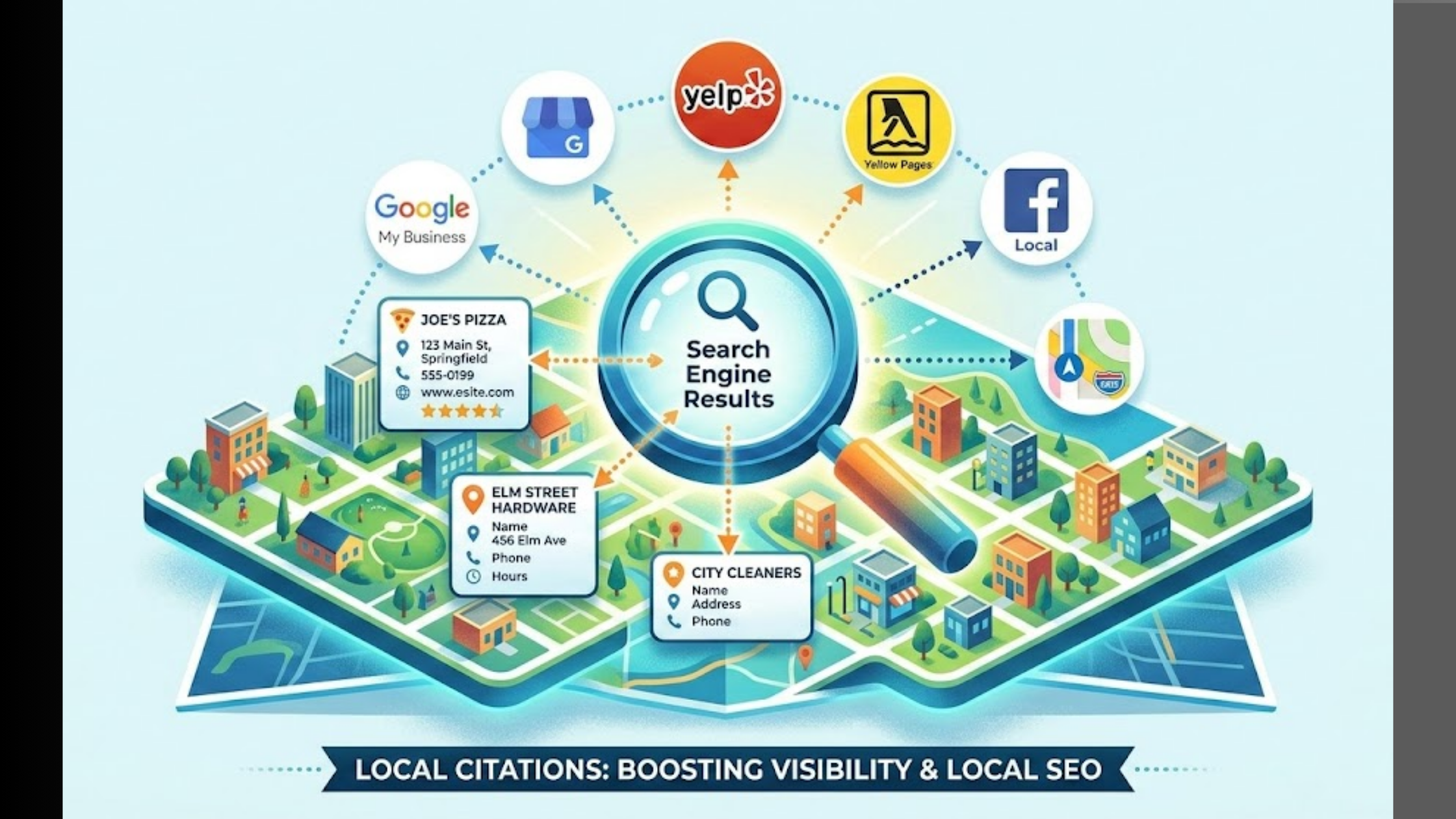
5) Keep an Eye on Your Other Profiles
Google business is the big one, no doubt about it. But depending on your industry, people might be talking about you elsewhere.
If you’re a restaurant, check Yelp or TripAdvisor. If you’re a professional service, maybe it’s Facebook or even a niche directory.
The worst thing you can do is ignore a review just because it’s not on your main platform. It looks like you don’t care.
Ideally, you want to keep track of all of them without having to log in to ten different websites every day. You need a central place to see everything. With Localforce, we pull everything into one dashboard.
You can see new reviews from Google and other directories in one place, so nothing slips through the cracks.
6) Look for Patterns in What People Are Saying
Once you get into a rhythm of monitoring and responding, take it a step further. Every few weeks, scan your reviews for patterns.
Are three different people mentioning that your staff was super friendly? Great! You know that’s a strength to highlight.
Is every other review complaining that your parking lot is confusing or that you were closed five minutes early on a Saturday? That’s a problem you need to fix.
Your customers are literally telling you what’s working and what’s broken in your business. Treat their feedback like free business consulting.
If you spot a trend, do something about it, and then reply to those older reviews to let people know you’ve made a change. It shows you’re always improving.
7) Keep Your Content Fresh to Encourage New Reviews
This might sound unrelated, but stick with me.
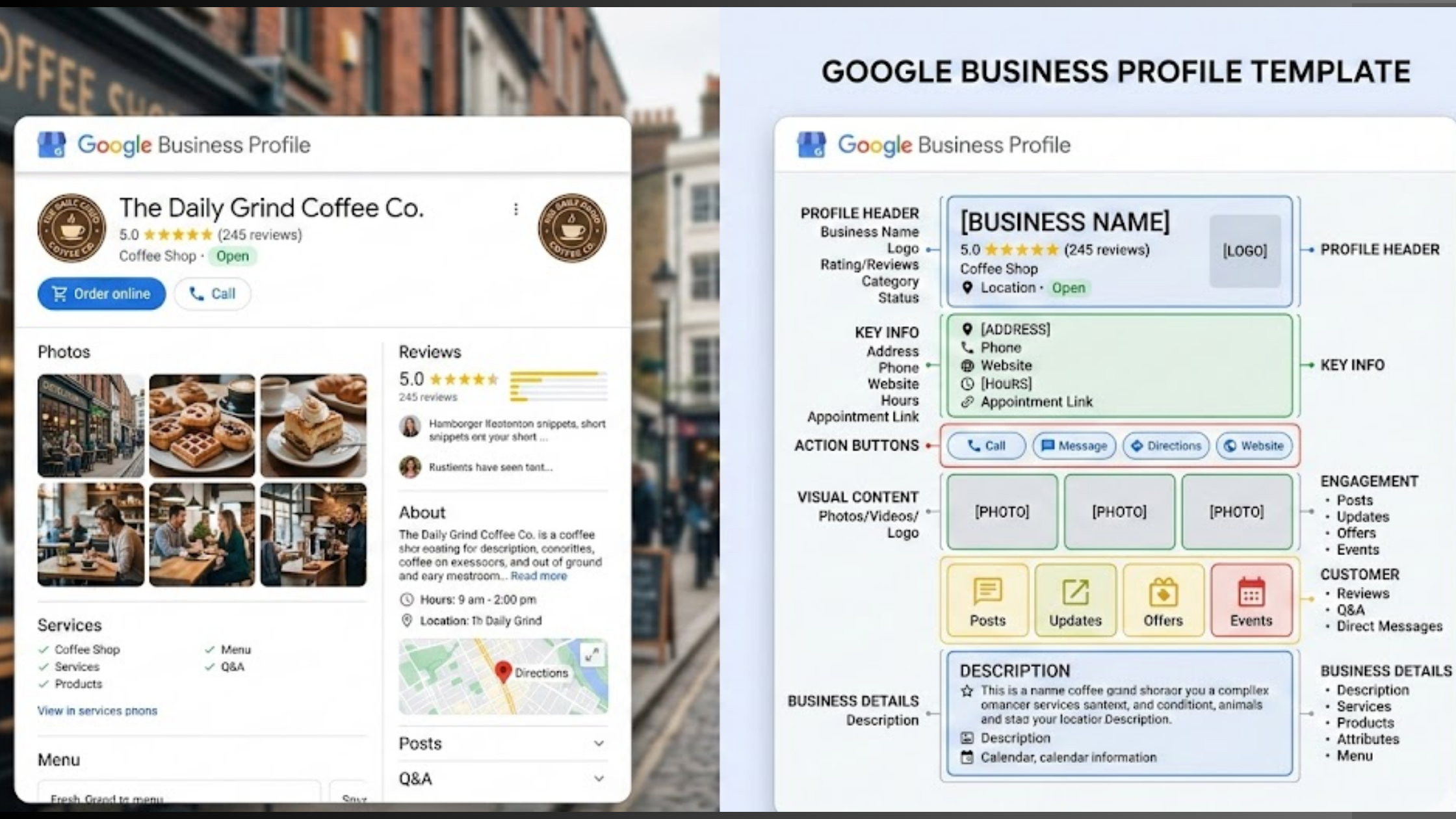
When a customer lands on your Google Business Profile, what do they see? If they see a profile with old photos, no posts since last year, and outdated info, they might wonder whether you’re still in business and be less inclined to leave a review.
An active profile encourages engagement. When you post new photos of your team, update your services, or share a special offer, it shows both Google and your customers that you’re an active, thriving business.
It gives people a reason to engage with you, and engagement often leads to reviews.
Localforce is built for exactly this. We help you keep your profile fresh and optimized without thinking about it.
We handle the ongoing activity that keeps your profile ranking high and looking good. It’s all about making sure that when people find you, they see a business that’s alive and kicking.
Final Wrap
So, here’s the bottom line. Your reviews are way more than a collection of star ratings. They build trust, they help you rank higher in local searches, and they give you honest feedback on how to run a better business.
We’ve talked about making it easy for customers to leave reviews, responding to every single one, and even using the negative ones to show off your great customer service. It’s a lot to keep track of, no question.
But you don’t have to do it all manually, and you definitely shouldn’t have to stress about it. At Localforce, we built our entire platform to handle all this for you.
We help you monitor everything in one place, respond faster with a little AI help when you need it, and keep your Google Business Profile fresh and active.
Because at the end of the day, your job is running your business. Our job is to make sure the right people in your neighborhood can find it.