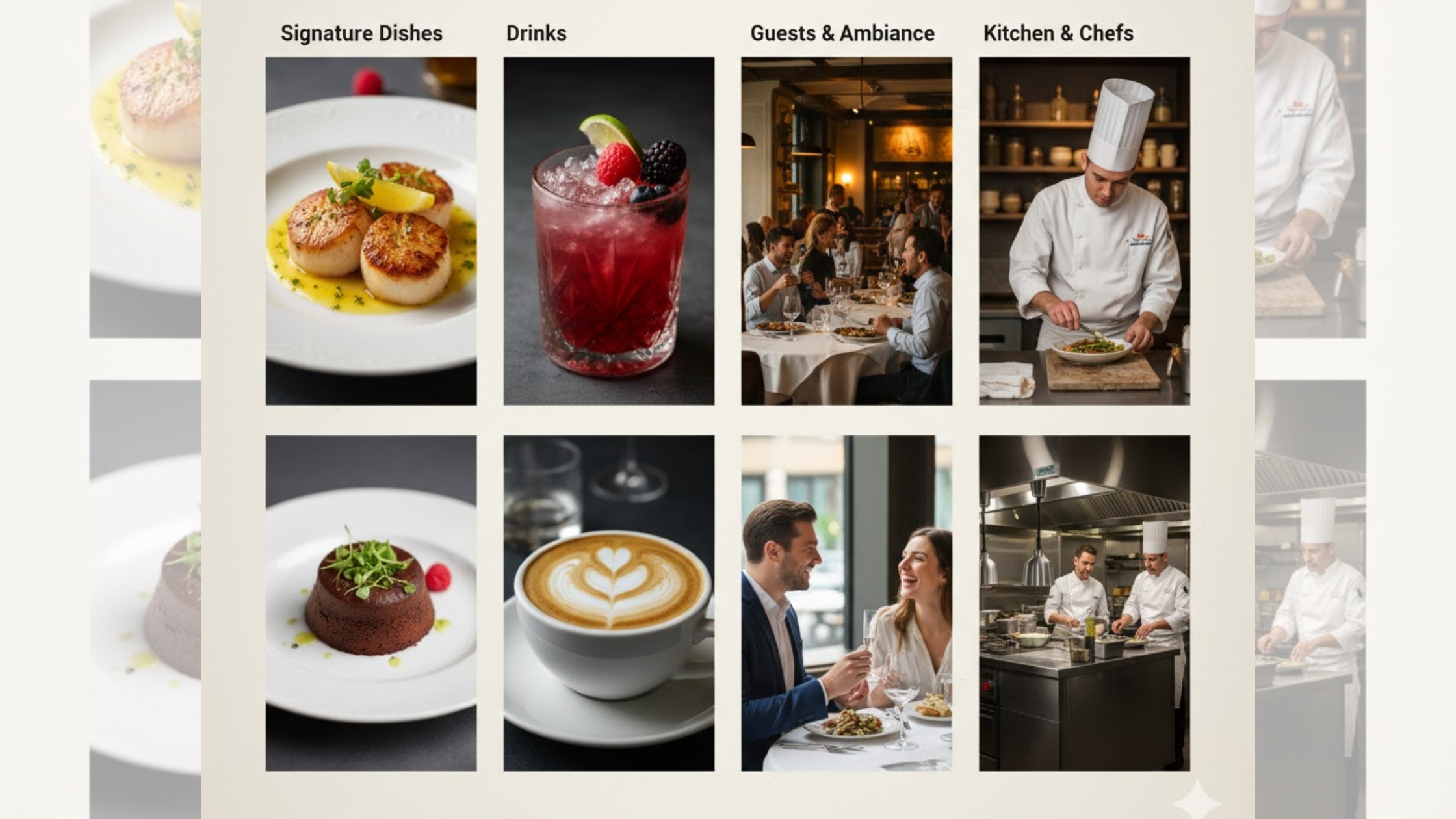

Running a restaurant today takes more than great food and good service, it takes being visible where customers are already looking.
And where is that? Online.
If you are running a restaurant without a website, you are practically invisible to the very people trying to find you.
They might hear about your place, but when they search for your menu or your hours and find nothing, they will move on to the next restaurant that shows up.
That is the harsh truth many restaurant owners overlook.
Let us unpack why not having a website is such a costly mistake, and how you can fix it fast.

1) Your Restaurant Becomes Hard to Find
In the restaurant world, visibility is everything. People can’t visit what they can’t find.
When someone searches for a place to eat, search engines like Google pull results from verified sources, websites, business listings, and review platforms.
A restaurant without a website is unlikely to appear among those top results.
Even if your name pops up somewhere, it will probably be missing key details like your updated menu, operating hours, or photos.
That means fewer clicks, fewer calls, and fewer people walking through your doors.
A website makes sure you show up exactly where potential diners are searching.
2) You Lose Control of Your Restaurant’s Image
If your restaurant only exists on social media or food delivery apps, you are letting other platforms control how people experience your brand.
Think about it, they get to decide how your menu is displayed, how reviews appear, and even what gets shown first.
Algorithms can bury your content or make it nearly impossible for new customers to find you without paying for ads.
Your website is the one place where you are fully in control.
You decide how your dishes are presented, how your story is told, and how people interact with your brand.
You get to build a first impression that truly reflects your restaurant, not a generic listing on someone else’s app.
Now, if you are running a restaurant without a website, you are giving away that freedom.
3) You Lose Direct Bookings and Orders
A restaurant without a website misses one of the biggest advantages of being online, direct sales.
If you only depend on delivery apps or social media messages for orders, you lose both time and money.
Delivery apps take commissions, and DMs can get lost or ignored.
Worse, customers who prefer to order directly might not even know how to reach you. Some will give up and move to the next restaurant on the list.
With your own site, customers can book tables or order food directly from you.
You get to keep the profits, track orders, and manage your own system instead of relying on third parties. That convenience adds up to real savings over time.
4) Customers Get Frustrated Easily
Have you ever tried finding a restaurant online and ended up on a dead link, an empty Facebook page, or a listing with no menu?
It is annoying, and most people won’t try again.
That is exactly what happens when your restaurant has no website.
People expect instant information, what you serve, when you are open, and where you are.
If they can’t find your restaurant’s website, they assume one of two things:
- You are closed, or
- You are not professional enough to be trusted.
That might sound harsh, but it is true.
People expect even small neighborhood eateries to have an online presence.
5) You Lose Out on Affordable, Continuous Marketing
Running ads, printing flyers, or partnering with influencers costs money, and the results fade quickly.
But a good website is a long-term marketing engine that keeps working for you day and night.
When your site ranks on Google, it can bring in steady organic traffic without constant spending.
You can share updates, announce offers, and post new menus anytime, for free.
Plus, if you ever decide to run online ads or social media campaigns, having a website gives those efforts somewhere to lead.
Every link and post points back to your home base, not someone else’s platform.
For a restaurant without a website, that constant connection is missing, and so are the potential sales that come with it.
6) You Miss Valuable Customer Data
Now, something most restaurant owners never think about, without a website, you are missing out on understanding your customers better.
Your own site can track where visitors come from, which dishes they click on, how long they stay, and what makes them book or order.
That is powerful data.
It tells you what people love, what is not working, and how to refine your marketing and menu strategy.
For a restaurant without a website, all of that data belongs to other platforms, not you.
They use that data to know how to have a better ground than you. And that is a huge disadvantage when it comes to growth.
How to Fix the Problem Fast
The good news? You can turn all of this around quickly. Building a restaurant website today is way easier, faster, and more affordable than ever. This is how you do it:
Step A: Claim Your Domain and Hosting
Start by choosing a name that represents your restaurant online, something like www.yourrestaurant.xyz or www.bestrestaurant.com.
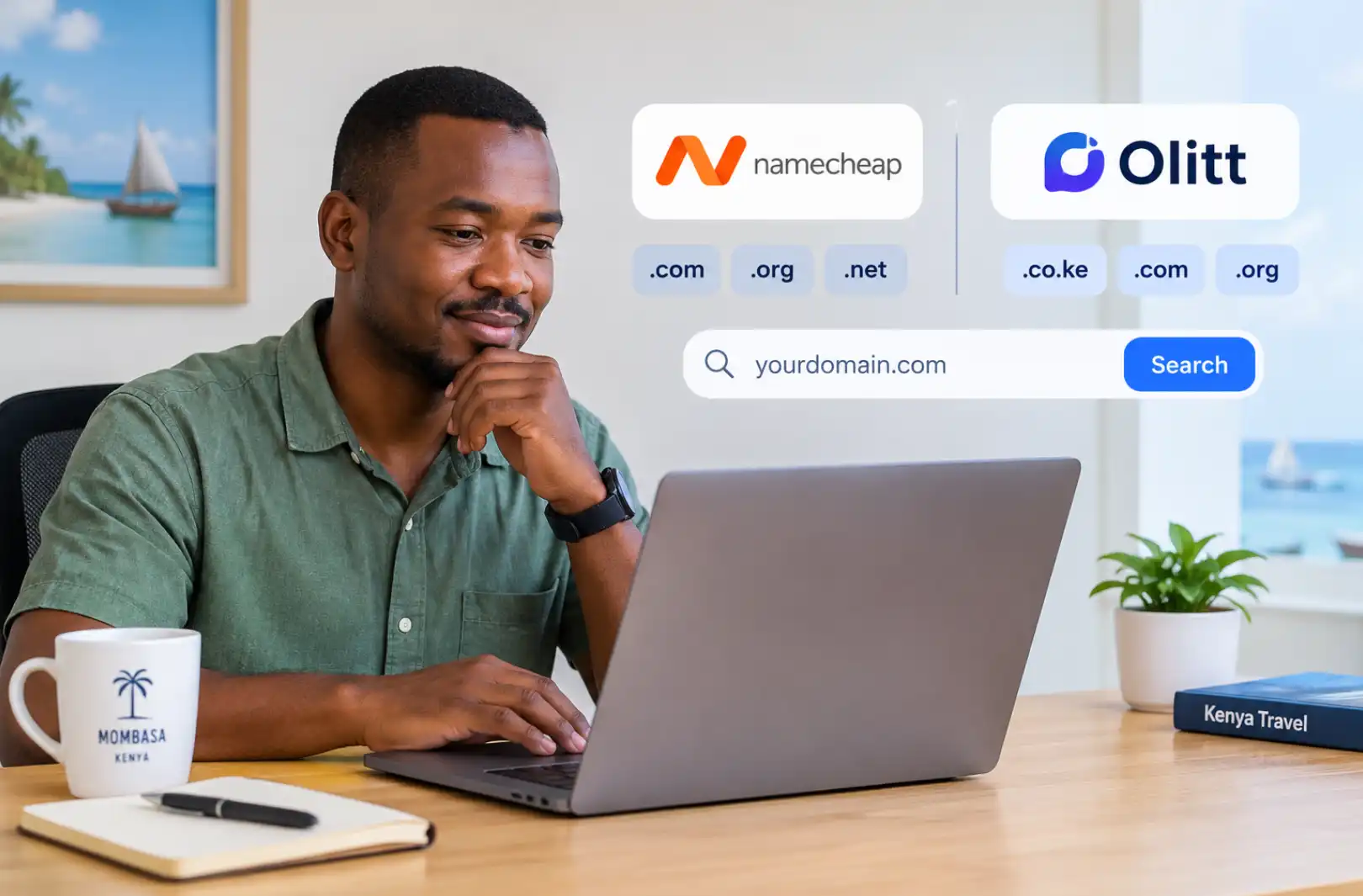
You can claim your domain easily through Olitt, which also connects directly to Truehost for hosting.
That means your site loads fast, stays online, and scales as your restaurant grows. Everything works smoothly because the systems are built to support each other.
A domain is your online address, and once you own it, you control your presence completely.
Step B: Use a Website Builder That Fits Your Style

You don’t need coding skills or expensive designers to launch a professional site.
Tools like Olitt, Wix, or Squarespace make it simple to build your restaurant website with AI-assistance features.
Olitt, in particular, is built for ease.
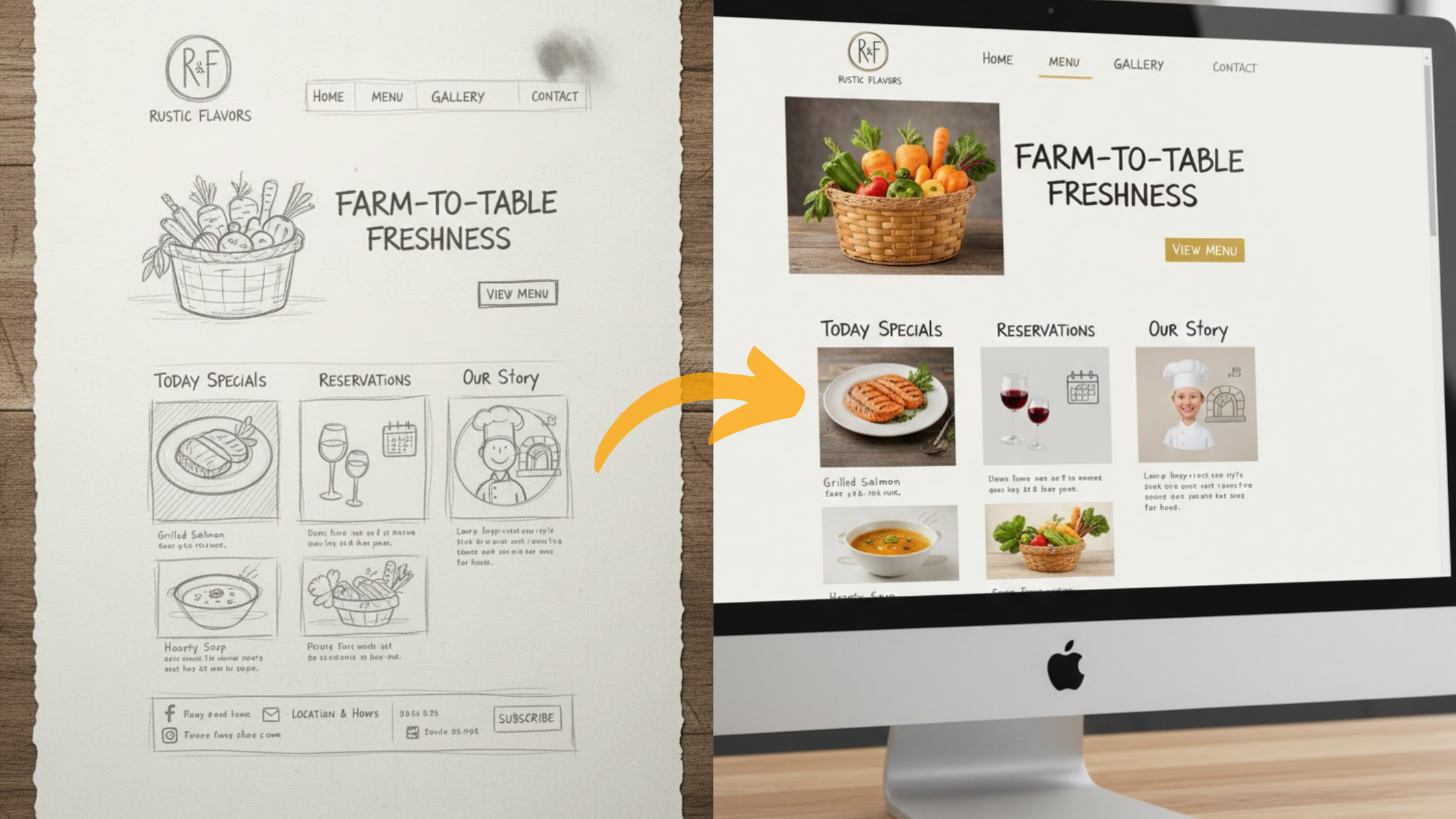
You simply answer a few quick questions like your restaurant name, type of cuisine, and preferred layout, and it automatically creates a full site for you.
Add your logo, upload your menu, and customize your theme until it looks like your brand. That is it.
Step C: Create the Important Pages
A restaurant website doesn’t need to be complicated. Focus on these key pages:
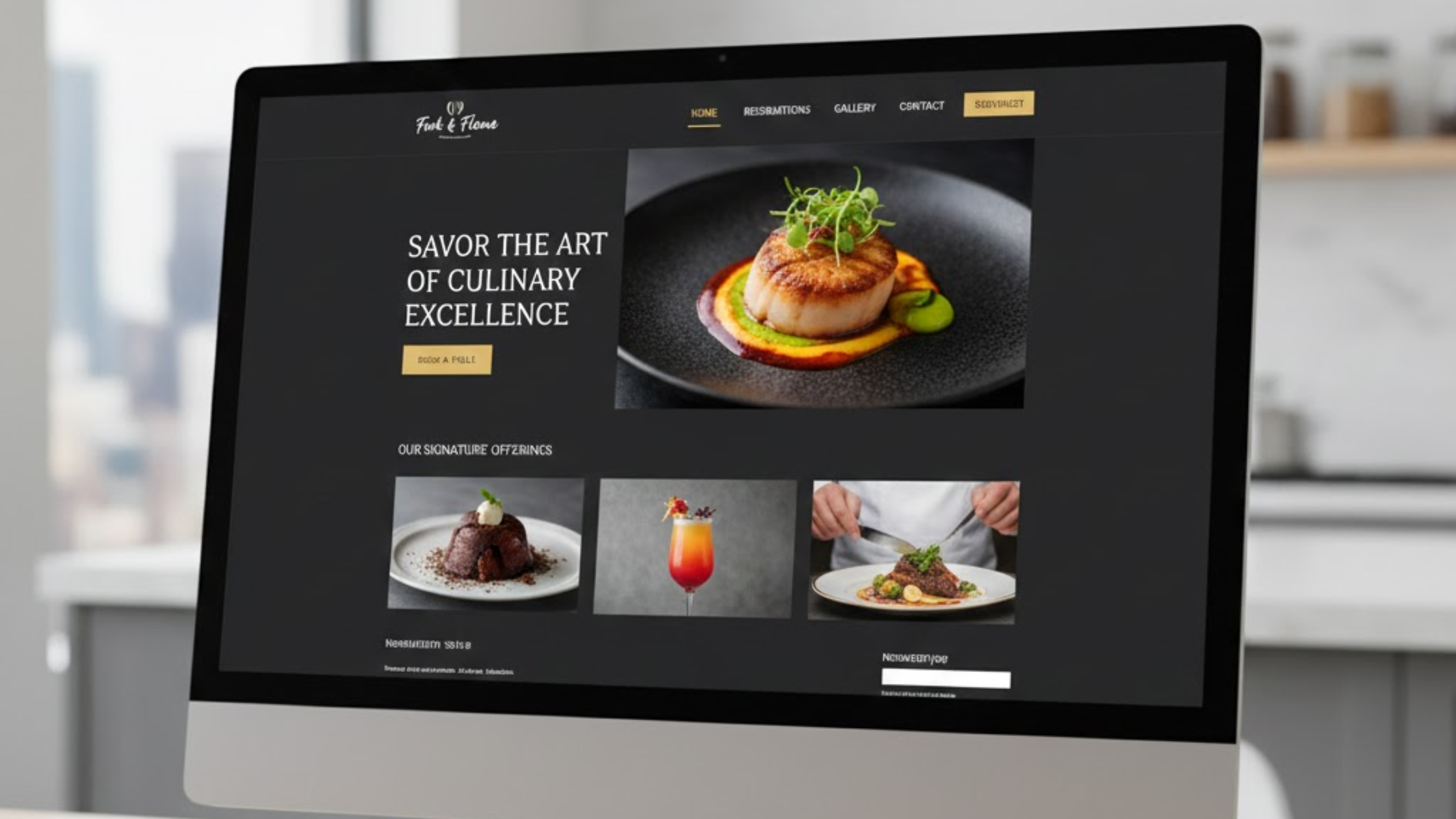
- Home Page: Give a mouth-watering first impression with photos of your best dishes.
- Menu Page: Make it easy to read on both mobile and desktop.
- About Page: Tell your story, what inspired your restaurant, who’s behind it, and what you stand for.
- Reservations / Order Page: Let people book a table or order food directly from your site.
- Contact Page: Include your location, phone number, map, and social links.
Keep everything clean, modern, and mobile-friendly, though the website builders come with these features built-in.
Step D: Add Photos and Real Stories
Photos make people hungry, plain and simple.
Use real pictures of your food, team, and restaurant. Avoid over-edited stock images, customers want to see the real thing.
Olitt even offers demo sites you can go look at for design ideas and layout inspiration.
These ready-made samples help you visualize what your finished website could look like before you even begin customizing.
Pair those visuals with short, friendly descriptions of your dishes and your story.
Step E: Optimize for Mobile and Speed
Most people will check your site on their phones. If it loads slowly or looks messy, they will bounce immediately.
Builders, most that is, actually handle mobile optimization automatically.
Your menu, booking forms, and photos will all adjust beautifully to fit any screen.
A fast, mobile-friendly site is what keeps hungry visitors from leaving before they have even seen your food.
Step F: Add Booking and Order Options
Once your website is live, make sure people can take action instantly.
Add an online booking button for reservations.
If you offer deliveries, connect your ordering system directly to your site.
Even a simple Order Now or Book a Table button makes a massive difference.
The goal is to make it as effortless as possible for customers to choose you. and not your competitor.
Step G: Share and Promote Your Website Everywhere
The moment that your restaurant website is up, spread the word.
Add your link to your Google Business Profile, WhatsApp, Instagram bio, Facebook page, and even your printed menus.
Every share increases visibility, drives traffic, and reinforces your brand.
When people can find your site easily, they are far more likely to visit, order, or recommend you to friends.

Final Thoughts
Running a restaurant without a website is a costly mistake that drains your potential day after day.
People may hear about you, but most will never find you.
But the fix is simple.
With builders like Olitt, backed by Truehost’s hosting power, you can set up a professional website in no time.
One that tells your story, shows off your food, and gives customers a reason to visit again and again.
Your restaurant deserves to be seen, found, and chosen.
Don’t let it stay hidden any longer. Start with the button below!