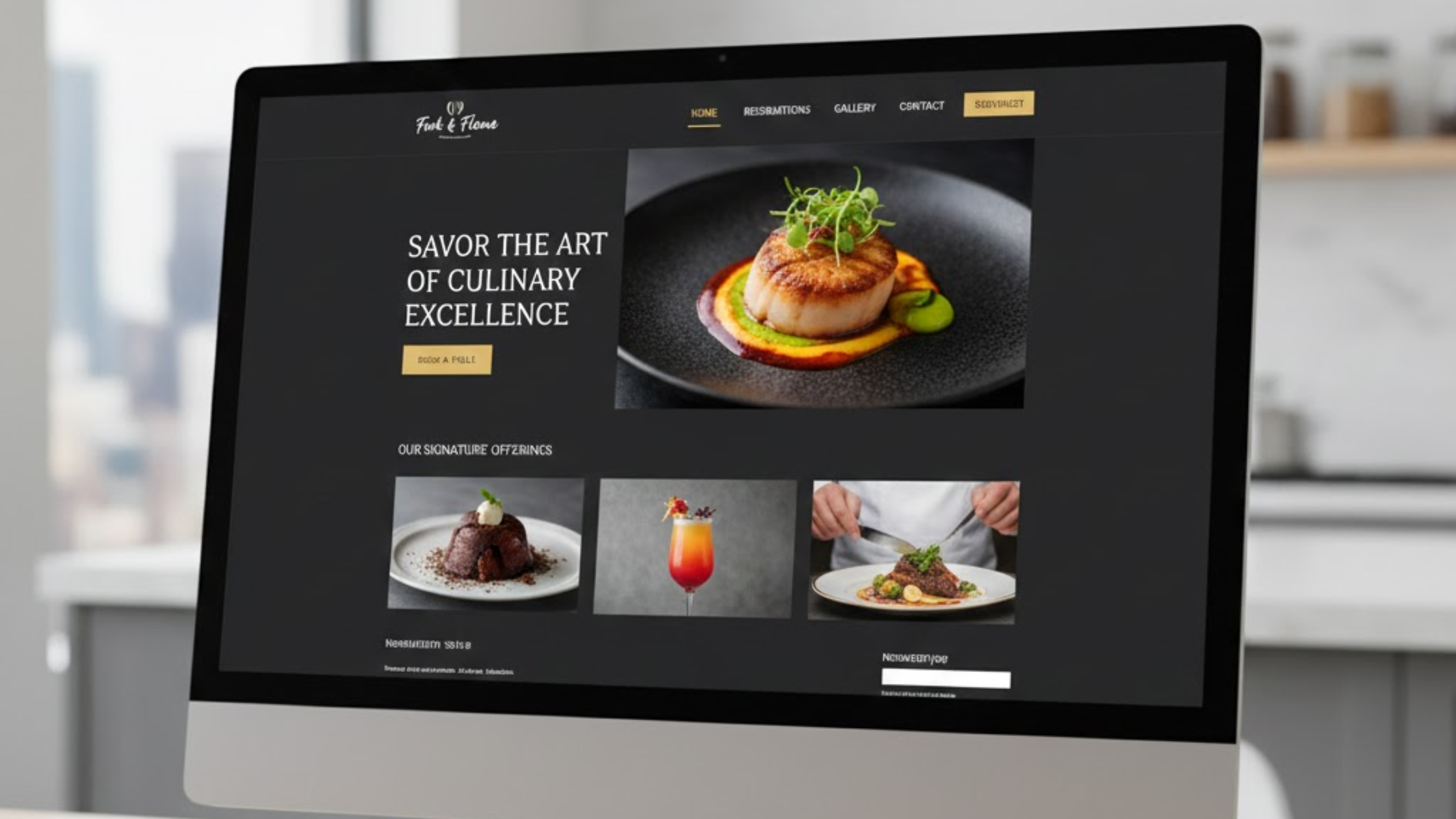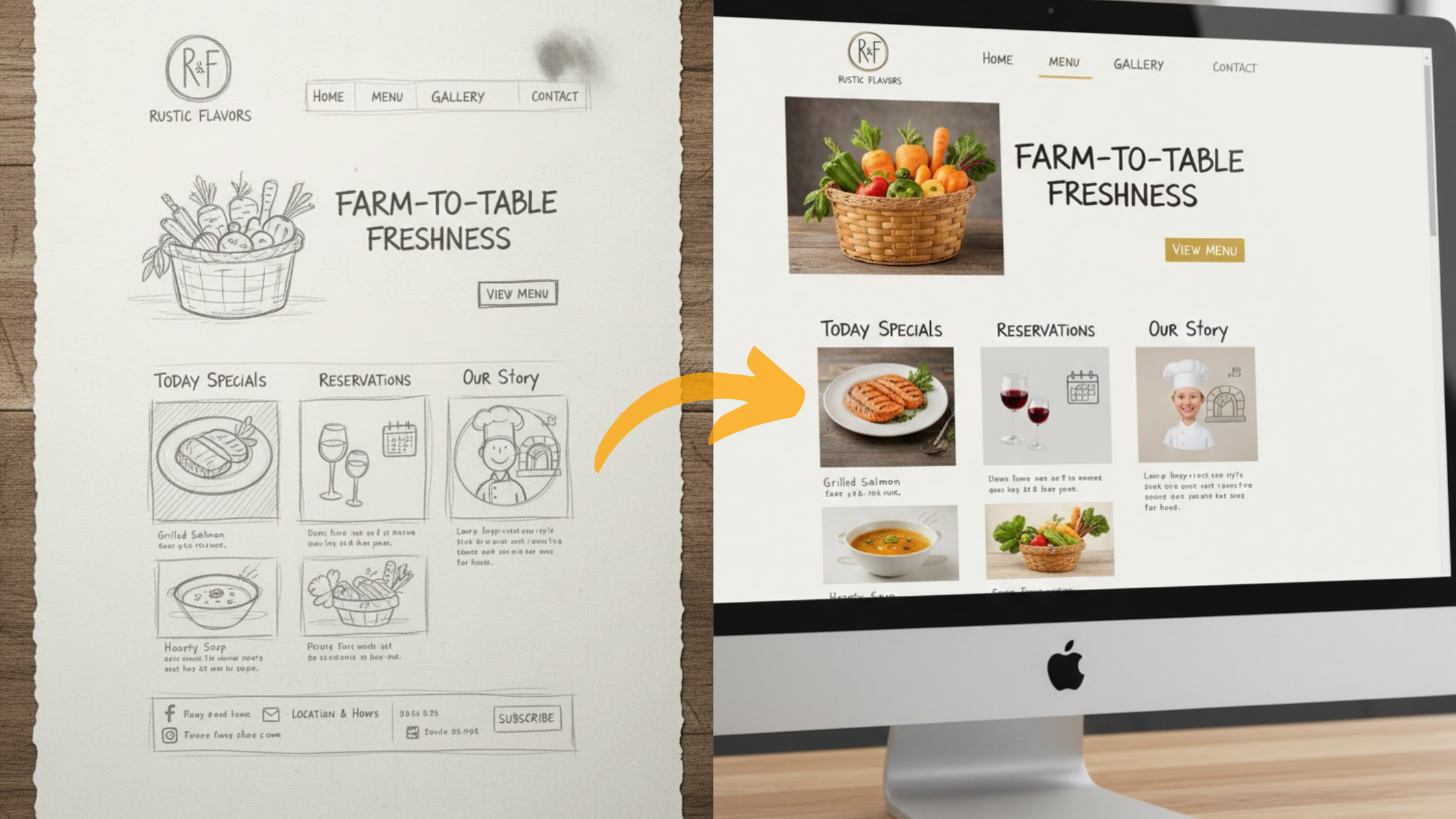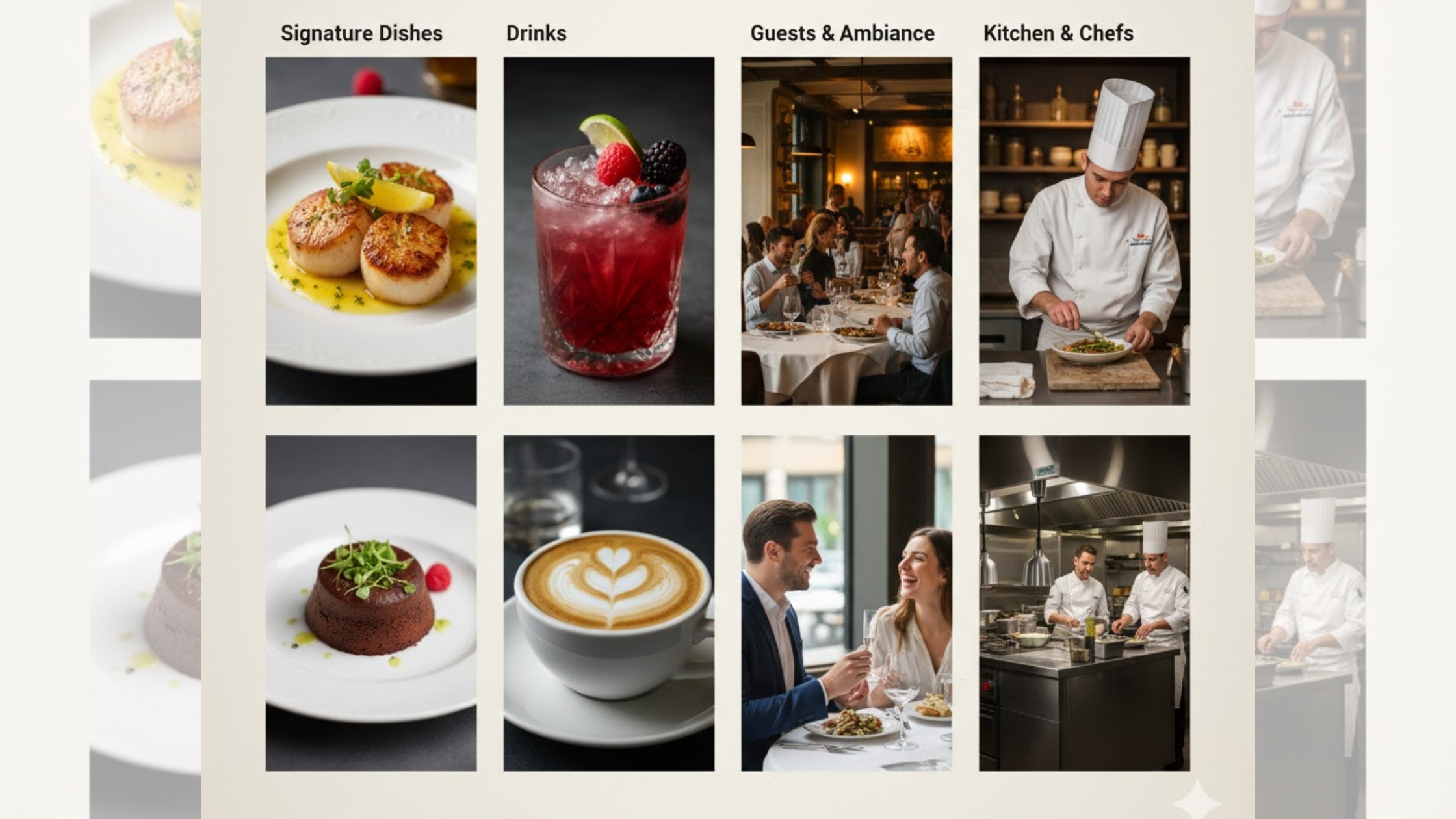

Want to Get Your Art Noticed Online? In today’s digital world, over 80% of art buyers research artists online before making a purchase. That means your website isn’t just a portfolio, it’s your first impression, your gallery, and your shop all in one.
If you’re a painter, photographer, or digital creator, your online presence should showcase your unique style while making it easy for visitors to explore and engage with your work
In this guide, we’ll walk you through the best artist website templates that combine beauty with functionality and show you how to launch your own site quickly, so your art can shine in front of the audience it deserves.
Why Your Artist Website Matters
Your art deserves to be seen, and the right website is the key to making that happen. In today’s digital world, a portfolio isn’t just a place to display your work; it’s your personal gallery, business card, and marketing tool all in one.
Here’s why having a professional artist website is essential:
1) Make a Strong First Impression
Visitors decide whether to stay on your site within seconds. A polished website instantly communicates that you are serious, professional, and creative.
Think of it as the online equivalent of walking into a gallery where every detail matters.
2) Showcase Your Work the Right Way
A good website highlights your art without distractions. Clean layouts, high-quality images, and organized galleries let your work speak for itself.
Instead of sending people scattered links or social media profiles, your site becomes a central, easy-to-use showcase.
3) Reach a Bigger Audience
Social media is great, but your website is where you control the experience. Potential clients, collaborators, or galleries can explore your portfolio, learn about you, and contact you directly. This makes it easier to turn visitors into opportunities.
4) Tell Your Story
Art is who you are. Your website gives you the chance to share your journey, your inspirations, and your vision. An engaging about page or blog can connect you with fans and buyers on a personal level.
5) Grow Your Professional Opportunities
A website makes it easier for others to find you through search engines or recommendations. Whether it’s commissions, gallery exhibitions, or freelance projects, your online presence opens doors that social media alone can’t.
Key Features to Look For in Artist Website Templates
When choosing a template, make sure it has the features that highlight your art and make your site easy to use. These elements help your portfolio stand out and give visitors a smooth experience.
✔Stunning Galleries
Your artwork should take center stage. Look for templates with image grids, sliders, or carousel layouts.
Features like zoom or lightbox views let visitors appreciate details up close. A visually striking gallery keeps people exploring your work longer.
✔Mobile-Friendly Design
Most people browse on their phones. A responsive template ensures your site looks great on any device, from tablets to smartphones. Your art will always shine, whether someone is on a desktop or scrolling on the go.
✔Built-In Shop
If you sell prints, originals, or digital downloads, a built-in shop is essential.
Templates that support buy buttons, shopping carts, and payment options like Stripe or PayPal make selling effortless. You can monetize your art directly from your website without extra plugins.
✔Blog Section
Sharing stories behind your creations keeps your audience engaged.
Look for templates with a blog feature so you can post updates, behind-the-scenes insights, or tips. This not only connects you with fans but also improves your website’s SEO.
✔SEO Tools
A beautiful site is useless if people can’t find it. Templates with built-in SEO tools make it easy to optimize titles, descriptions, and images so Google can discover your portfolio.
Simple tweaks can boost your visibility and attract new visitors.
How to Choose the Right Artist Website Template
Selecting the right template can make or break your online portfolio. A great template not only showcases your art beautifully but also makes your site easy to use and manage. Here are five key things to consider:
1) Visual Appeal
Your template should reflect your artistic style. Whether you prefer minimalist, bold, or modern designs, pick one that complements your work.
A visually cohesive site immediately communicates your aesthetic to visitors and makes your portfolio memorable.
2) User Experience (UX)
A beautiful site is useless if visitors get lost. Make sure the template allows for easy navigation, clear menus, and quick access to your galleries. Simple layouts and intuitive flow help users focus on your art, not figuring out how to move around.
3) Customizability
You want a template that adapts to your unique brand. Look for options that let you tweak colors, fonts, layouts, and sections without touching a single line of code. This flexibility ensures your site feels personal and professional at the same time.
4) Mobile Responsiveness
Most visitors will browse your portfolio on phones or tablets. A responsive template automatically adjusts to any screen size, keeping images sharp and layouts clean. Mobile-friendly design is essential for making a lasting impression on all visitors.
5) Integrated Features
Consider templates that come with built-in galleries, blogs, shops, or social media integration. These features let you share your story, sell artwork, and connect with fans, all from one site. The more your template supports your goals, the less extra work you’ll need to do later.
Top 10 Artist Website Templates to Try
Finding the perfect website template is essential for any artist who wants to showcase their work, build an audience, and even sell creations online.
The right template blends style, functionality, and ease of use. Below are 10 inspiring templates, all fully customizable with Olitt AI, to help you create a professional portfolio.
1) Minimalist Portfolio Template
The Minimalist Portfolio Template is clean, modern, and designed to let your artwork shine.
It’s ideal for photographers, illustrators, and fine artists who want a professional and timeless look. The simple design eliminates distractions, focusing attention entirely on your work.
Key Features: Full-width galleries, fast-loading pages, responsive design.
Why it works: Minimalism emphasizes your artwork and creates a polished, professional impression that highlights your creativity.
2) Modern Grid Template
This template uses a dynamic tile-based layout that organizes artworks neatly.
Mixed media artists, digital illustrators, and graphic designers will find it perfect for presenting large collections. Visitors can filter and browse easily without feeling overwhelmed.
Key Features: Responsive grids, hover effects, sortable galleries.
Why it works: The modular design allows multiple works to be displayed clearly, keeping the portfolio organized and interactive.
3) Creative Showcase Template
Bold, colorful, and interactive, the Creative Showcase Template is built for digital artists, animators, and concept designers. Its lively design reflects your personality while presenting your art professionally.
Key Features: Interactive galleries, social media integration, and customizable sections.
Why it works: Engages visitors instantly and leaves a memorable impression by highlighting both your work and your creative energy.
4) Elegant Scroll Template
The Elegant Scroll Template uses a smooth, long-scroll layout, guiding visitors through a visual story. It’s perfect for photo essays, narrative-driven projects, and illustrators wanting a cohesive portfolio presentation.
Key Features: Smooth scrolling, parallax effects, alternating text-image sections, clear typography.
Why it works: Turns your portfolio into a storytelling experience, allowing visitors to enjoy a flow of art rather than isolated pieces.
5) Interactive Gallery Template
Designed for photographers, illustrators, and concept artists, the Interactive Gallery Template makes exploring your portfolio a hands-on experience. Visitors can hover, zoom, and interact with your works in multiple layouts.
Key Features: Hover effects, lightbox zoom, multiple gallery layouts, and responsive design.
Why it works: Encourages engagement, keeping visitors interested and helping them explore each piece in detail.
6) Bold Typography Template
The Bold Typography Template is text-forward, combining strong headings with clean visuals. Graphic designers, typographers, and conceptual artists can use it to present their work alongside clear messaging.
Key Features: Large headings, clean galleries, blog sections, contrast-focused design.
Why it works: Balances visuals and text to convey your artistic vision clearly while creating a memorable impression.
7) E-Commerce Portfolio Template
Perfect for artists selling prints, originals, or digital downloads, this template integrates portfolio galleries with an online shop. It allows seamless browsing and direct purchases from your website.
Key Features: Built-in shopping cart, payment integrations (Stripe, PayPal), product galleries.
Why it works: Converts your portfolio into a revenue-generating platform without complex setups or extra plugins.
8) Photography-Centric Template
This template emphasizes full-width images and minimal design, making it ideal for photographers, landscape painters, and travel artists. Large galleries and high-resolution displays showcase your work in stunning detail.
Key Features: High-resolution galleries, filters, lightbox zoom, mobile-optimized.
Why it works: Highlights the quality and beauty of your images, giving viewers a captivating visual experience.
9) Experimental Art Template
The Experimental Art Template is creative and unconventional, designed for avant-garde artists, mixed media creators, and interactive projects. Its flexible layout and animations support bold artistic expressions.
Key Features: Customizable sections, animations, flexible grids, and interactive galleries.
Why it works: Encourages visitors to explore and engage, providing a portfolio experience as unique as your art.
10) Artist Blog & Portfolio Template
This balanced, content-focused template combines a portfolio with a blog, perfect for storytelling artists, illustrators, and creatives sharing updates. It helps you build an engaged audience by blending visual and written content.
Key Features: Integrated blog, portfolio galleries, social sharing, and customizable sections.
Why it works: Connects with visitors by sharing your creative process and insights while showcasing your work professionally.
Build Your Website with Olitt AI
Creating a professional artist website doesn’t have to be complicated or take days. With Olitt AI, you can transform any template into a fully functional, stunning portfolio in a matter of hours.
The platform is designed with artists in mind, giving you the tools and guidance to make your website reflect your unique style without needing coding skills.
Key Features:
▪️Drag-and-Drop Editor: Easily move elements, add sections, and arrange galleries exactly how you want. No technical experience required.
▪️AI-Powered Design Suggestions: Olitt AI analyzes your content and offers smart recommendations for layouts, color schemes, and typography that match your style.
▪️Fast Hosting Included: Your site is automatically hosted on a secure, reliable platform, so visitors enjoy quick loading times everywhere.
▪️Affordable Plans: Start building for as little as $19/month, making it easy to create a professional site without breaking the bank.
Why it works: Olitt AI combines simplicity and intelligence, letting you focus on your art while it handles the technical details.
From choosing a template to customizing layouts, adjusting colors, and publishing your site, the entire process is seamless. Many artists go from template to live website in under an hour, without touching a single line of code.
Explore Olitt AI Templates
Tips for Making Your Portfolio Stand Out
Creating an artist portfolio isn’t just about putting your work online; it’s about showcasing your art in a way that captures attention, tells your story, and connects with your audience. Here’s how to make your portfolio truly shine:
1) Use High-Quality Images
Your artwork deserves to be seen in its best form. Always upload clear, well-lit, and high-resolution images. Blurry or poorly lit photos can make even the most stunning art look amateurish. Consider showing multiple angles or close-ups for pieces with intricate details.
2) Keep Your Design Simple
A cluttered website can distract visitors from your work. Choose a clean layout with plenty of white space so your art is the main focus. Minimal text, subtle backgrounds, and intuitive navigation allow your portfolio to feel professional and easy to explore.
3) Organize by Category
Help visitors find what they’re looking for quickly. Group your work into categories like paintings, illustrations, digital art, or photography. Categorized galleries make browsing smooth and enjoyable, allowing people to explore your portfolio based on their interests.
4) Include an About Page
Your story matters. An About page gives you a chance to introduce yourself, explain your artistic vision, and share your journey. This personal connection builds trust with potential clients, collaborators, or fans and makes your portfolio more memorable.
5) Add Clear Contact Information
Make it easy for clients, galleries, or fans to reach you. Include a contact form, email address, and links to your social media profiles. The simpler it is for visitors to get in touch, the more opportunities you’ll have for commissions, collaborations, or sales.
Conclusion
The right artist website template can showcase your work, attract clients, and grow your audience. Using Olitt AI, you can quickly customize professional templates to match your style, no coding needed.
Start exploring templates today, and create a portfolio that truly represents you. Get Started with Olitt AI.